
Semantic search optimization is revolutionizing the way we interact with search engines. By leveraging the power of language and context, this approach goes beyond simple matching to truly understand user intent. This not only results in more relevant search results but also creates a more engaging and satisfactory experience for users.
As search engines evolve, they prioritize semantic search to enhance their ability to interpret complex queries. This advancement is particularly significant in fields like real estate, where precise information is critical. In this discussion, we will explore how semantic search optimization can be strategically implemented to improve visibility and user experience in various domains.
Understanding Semantic Search Optimization
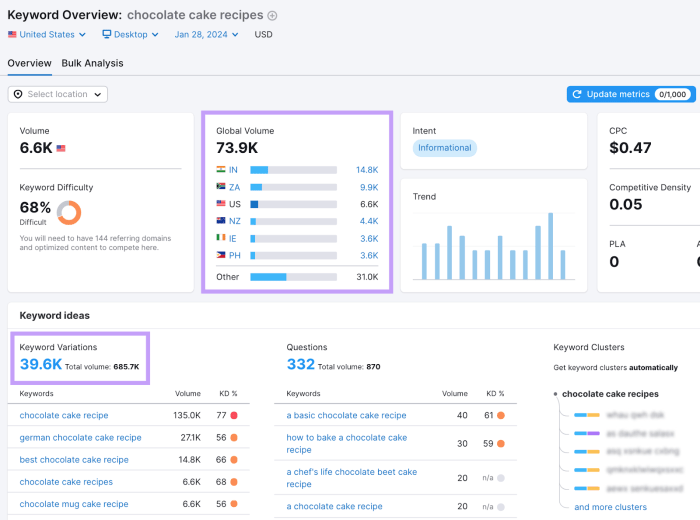
Semantic search optimization is a pivotal aspect of modern search engine technology, focusing on improving the accuracy and relevance of search results by understanding the intent behind search queries. Unlike traditional -based search, semantic search evaluates the meaning of words and how they relate to one another, allowing for a more contextually aware search experience. This approach is significant as it caters to user needs more effectively, reflecting the growing demand for intuitive and intelligent search functionalities.Semantic search enhances user intent interpretation by utilizing advanced algorithms and data analysis to decipher complex queries.
This means that search engines can understand not just the s entered by users, but also the underlying context and nuances, thus improving the relevance of the results presented. For instance, if a user searches for “best places to eat pizza,” semantic search recognizes that the user is looking for recommendations rather than just a list of pizza restaurants. This capability leads to better search outcomes, as users receive tailored results that align with their expectations.
Key Techniques for Implementing Semantic Search Optimization
Effective implementation of semantic search optimization requires a combination of various techniques designed to enhance content discoverability and relevance. Understanding and applying these methods can elevate the quality of digital content significantly.The following techniques are essential for optimizing your content for semantic search:
- Use of Structured Data: Incorporating structured data markup (like Schema.org) helps search engines understand the content’s context, enabling them to display rich snippets in search results. This not only improves visibility but also enhances user engagement.
- Natural Language Processing (NLP): Leveraging NLP in content writing allows for a more conversational tone and context-aware phrasing. This aligns better with how users phrase their queries in natural language, thereby improving relevance.
- Semantic Variations: Focusing on synonyms and related terms instead of relying solely on primary s helps create content that resonates with varied user intents. This broadens the searchability of the content.
- Content Depth and Context: Creating in-depth articles that cover topics comprehensively ensures that all aspects of a subject are addressed. This depth provides context that can satisfy complex queries, improving the likelihood of ranking higher in search results.
- Internal Linking Strategies: Implementing a strategic internal linking structure aids search engines in understanding the relationships between different pieces of content on your site. This supports enhanced navigation and context for both users and search crawlers.
By incorporating these techniques, digital content creators can effectively harness the power of semantic search optimization, leading to improved visibility, engagement, and user satisfaction.
Semantic Search in Real Estate
In the competitive world of real estate, online visibility is crucial for agents and realtors looking to attract potential buyers and sellers. Semantic search enhances this visibility by focusing on the intent and contextual meaning behind search queries rather than just s. This shift in search technology not only improves how listings are displayed but also how potential clients interact with them.Semantic search significantly impacts the online visibility of real estate professionals.
By understanding the nuances of language and user intent, search engines can better match property listings to the needs of prospective buyers. This means that realtors who optimize their content for semantic search principles can rank higher in search engine results, leading to increased traffic and engagement. The use of natural language processing (NLP) allows search engines to grasp relationships between words and phrases, which can connect users with properties that fulfill their specific requirements and preferences.
Methods for Optimizing Property Listings
To effectively optimize property listings using semantic search principles, real estate agents can adopt various strategies that enhance their content’s relevance and visibility. These methods include:
- Incorporating long-tail s that reflect potential buyer queries, such as “family-friendly homes in downtown” or “pet-friendly apartments near parks.” This specificity helps in targeting niche markets.
- Utilizing descriptive language and detailed property descriptions that highlight features and benefits, such as “spacious backyard perfect for entertaining guests” or “modern kitchen with energy-efficient appliances.”
- Leveraging local practices by including city names, neighborhoods, and landmarks in listings to improve search relevance for local buyers.
- Experimenting with structured data markup to help search engines better understand property details, improving the chances of appearing in rich snippets and knowledge graphs.
Implementing these methods can lead to a more robust online presence, ensuring listings are easily discoverable by potential clients searching for their next home or investment opportunity.
Enhancing User Experience in Property Searches
User experience plays a vital role in the effectiveness of property searches. A seamless and intuitive search experience can significantly impact a buyer’s decision-making process. To enhance user experience, real estate professionals can focus on the following strategies:
- Implementing advanced search filters that allow users to refine their searches based on specific criteria such as price range, square footage, number of bedrooms, and amenities.
- Utilizing interactive maps that display properties in relation to local attractions, schools, and amenities, providing users with a comprehensive view of the area.
- Offering virtual tours and high-quality images to give potential buyers a realistic view of the property before scheduling a visit.
- Creating content such as blogs or guides that provide valuable information about the buying process, local market trends, and community insights, fostering trust and authority in the real estate domain.
These enhancements not only create a more engaging user experience but also increase the likelihood of conversions by making the property search process more enjoyable and efficient.
Optimizing Content for Related Real Estate Topics
In the dynamic world of real estate, optimizing content for related topics is crucial for attracting potential clients and investors. By focusing on semantic s and user needs, you can create valuable content that resonates with your audience. This approach not only enhances your visibility in search engines but also positions your site as a trustworthy resource in the real estate sector.
Content Strategy for Building a Home
When developing content about building a home, it’s essential to consider the interests and concerns of your audience. Incorporating semantic s related to home construction can significantly improve your content’s relevance. Here are some key aspects to focus on:
- Home Design Trends: Discuss popular architectural styles, floor plans, and design innovations that cater to modern families.
- Construction Materials: Provide insights into sustainable and durable building materials that homeowners prefer.
- Budgeting and Financing: Offer practical advice on budgeting for home construction and financing options available to buyers.
- Regulatory Requirements: Artikel necessary permits and regulations that vary by location, ensuring readers are informed of legalities.
Each of these points should be rich in semantic s such as “energy-efficient homes,” “affordable construction,” and “custom home options” to align with user searches.
Approach for Discussing Real Estate Investing
Incorporating insights from semantic search into discussions about real estate investing can enhance the content’s appeal and effectiveness. To achieve this, consider the following strategies:
- Market Analysis: Provide in-depth analysis of current market trends, including areas experiencing growth and investment opportunities.
- Investment Strategies: Discuss different approaches, such as flipping houses, rental properties, and commercial real estate investments.
- Risk Assessment: Educate readers on common risks involved in real estate investing and ways to mitigate them.
- Success Stories: Share real-life examples of successful investors to inspire potential clients and illustrate key points.
Using terms like “real estate ROI,” “passive income properties,” and “market forecasting” can help align your content with what potential investors are searching for.
Structuring Content about Green Real Estate
As the focus on sustainability grows, structuring content about green real estate is essential for reaching a conscious audience. Here’s how to effectively highlight this trend:
- Sustainable Practices: Discuss the importance of using eco-friendly materials and energy-efficient designs in construction.
- Market Demand: Analyze statistics and trends showing the increasing demand for green homes, emphasizing buyer preferences.
- Government Incentives: Inform readers about tax breaks and incentives available for homeowners who invest in green technologies.
- Case Studies: Provide detailed examples of successful green real estate projects, showcasing their environmental impact and market success.
By integrating s like “green building,” “sustainable living,” and “eco-friendly homes,” your content can effectively tap into the rising trend of environmentally conscious homebuyers.
Closure
In conclusion, integrating semantic search optimization into your digital strategy is essential for staying competitive in today’s search landscape. By understanding user intent and employing effective optimization techniques, businesses can improve their online presence and engage more meaningfully with their audience. Embracing these principles will not only drive traffic but also enhance the overall user experience, making it a win-win for both users and content creators alike.
FAQ Compilation
What is semantic search optimization?
Semantic search optimization refers to the techniques used to enhance search engines’ understanding of user intent and the context of queries, resulting in more relevant search results.
How does semantic search improve user experience?
By accurately interpreting user queries and providing contextually relevant results, semantic search creates a more satisfying and efficient search experience for users.
Can semantic search principles be applied to any industry?
Yes, semantic search principles can be applied across various industries, including e-commerce, real estate, and content creation, to improve visibility and engagement.
What are some common techniques for semantic search optimization?
Common techniques include using structured data, optimizing for natural language queries, and focusing on content relevance and context.
How can I measure the effectiveness of semantic search optimization?
You can measure effectiveness through metrics such as search rankings, click-through rates, and user engagement statistics.


